
Wisdom Tooth Extractions – Carlisle
Wave Problematic 3rd Molars Goodbye!
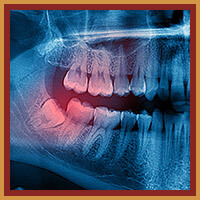 Many patients assume that their permanent smile becomes complete in childhood, but this actually isn’t true. Your third molars (more commonly known as wisdom teeth) don’t emerge until the teenage or early adult years, often bringing with them plenty of concerning problems. At Flenniken Family Dentistry, our team wants to protect your overall oral health and happiness, which may include our recommendation that your wisdom teeth are removed. If you’d like to schedule a consultation for you or a loved one, contact our Carlisle, PA office today. Our dental team is committed to providing quality dentistry in a friendly and comfortable environment.
What Are Wisdom Teeth?

Wisdom teeth are the third molars and final adult teeth to erupt in the mouth. Most people develop four wisdom teeth – two on top and two on the bottom. Anthropologists believe that the wisdom teeth were helpful for our early ancestors who needed additional chewing power to consume rough plants, seeds, nuts, and foliage that made up their diets. It was also common to lose teeth for one of many reasons, so the wisdom teeth could step up and act as replacement teeth in these situations.
Today, we enjoy a softer diet with more carbohydrates and high-calorie foods. We also have a deeper focus on dental care, so the wisdom teeth aren’t usually necessary. The need for extractions varies on a case-by-case basis.
Why Do Wisdom Teeth Need to Be Removed?

It’s possible for wisdom teeth to thrive in a person’s smile, but this can only occur when they emerge properly and are well-positioned. Sadly, this is a rare occurrence. In most cases, wisdom teeth will not have enough space to erupt fully leaving them partially or fully impacted. They may also erupt at an angle or cause abscesses. If these problems are not dealt with quickly, destructive consequences for the patient’s oral health and overall wellbeing may follow.
What to Expect From the Wisdom Teeth Procedure
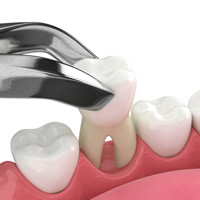
Our doctors have the experience and skill necessary to carry out wisdom tooth extractions, and we’ll do everything in our power to make the experience as smooth as possible. IV sedation and other sedation options are available as well to increase patient comfort, if needed
Once wisdom teeth have been removed from the mouth, some bleeding, swelling, and general discomfort is common. We’ll provide you with gauze to bite down on to reduce the former as much as possible. If a few days have passed and these symptoms haven’t lessened at all in severity (or if the patient is feverish), please contact us right away for assistance.
Recovering From Wisdom Teeth Extraction
After your procedure, it is common to experience bleeding, swelling, bruising, and discomfort, but this should subside over the next few days. During this time, it is especially crucial to maintain an excellent oral hygiene routine. This includes rinsing and brushing gently while avoiding the extraction site. You should also stick to a soft-food diet and refrain from smoking or using straws. Remember to take prescribed and over-the-counter medications as directed by your dentist. For questions or concerns regarding your recovery, give us a call.
Understanding the Cost of Wisdom Tooth Extractions

Although they were extremely beneficial to our ancient ancestors, it is not uncommon today for wisdom teeth to cause a variety of oral health problems that require them to be extracted. Understandably, many patients are curious about the cost of wisdom tooth extraction. However, because there are a number of factors that can affect the total price of oral surgery which vary from person to person, it is impossible to give you an accurate estimate without being seen in person by your dentist first. In the meantime, please feel free to read a more about how we’ll calculate the cost of your treatment once you’ve had your exam.
Factors That Can Impact the Cost of Wisdom Tooth Extractions

The cost of wisdom tooth extractions can vary based on several important factors which your dentist will discuss with you at your consultation. These include:
- How many wisdom teeth you need removed. Not everyone is born with four wisdom teeth. In fact, some people only have one, two, or three of them. Some may even have five or six!
- Whether or not your wisdom teeth are impacted. Impacted wisdom teeth may require surgical intervention.
- The type of anesthesia and/or sedation you require. Some dental insurance plans may not cover certain types of sedation, or depending on your coverage, sedation and anesthesia may incur separate costs.
- The type of dental specialist you see. For more complex extractions, you may need to visit an oral surgeon which could cost more depending on your dental insurance.
Does Dental Insurance Cover Wisdom Tooth Extractions?

Unfortunately, not all dental insurance plans offer benefits for oral surgery; however, most will at least partially cover the cost of wisdom tooth extractions, but this will depend on whether you’ve met your deductible or maximum for the year. The best way to learn more about your specific benefits is to contact your dental insurance provider directly. Selecting an in-network provider can also help you lower your out-of-pocket costs.
Other Options for Making Wisdom Tooth Extractions Affordable

In addition to working with many popular dental insurance providers, we are proud to welcome payment plans through our preferred third-party lender, CareCredit. These plans allow you to break up the cost of your dental treatment into multiple, low-to-no-interest monthly payments that may be better suited to your budget.
For patients who do not have dental insurance, we are happy to introduce our in-house dental savings plan, which provides valuable discounts on regular preventive care, restorative treatments, and even Invisalign!
Tooth Extractions FAQs

Even though extracting a tooth is sometimes the best option for your oral health, we’ll never recommend it unless it’s absolutely necessary. After all, there’s no adequate substitution for your natural pearly whites. However, in cases where we’ve exhausted all other options, we’ll recommend it to help you preserve a healthy smile. We understand the procedure may seem daunting, which is why we’ve decided to answer some common questions we receive from patients. If you don’t see your specific question, feel free to contact our team at Flenniken Family Dentistry for an answer!
Does Getting a Tooth Extracted Hurt?
When it comes to any type of dental procedure, many patients are hesitant to commit to treatment because they’re worried it will hurt. But rest assured – our team will make sure you’re completely comfortable during your procedure. Whether you’re getting one tooth pulled or multiple, we’ll numb your mouth beforehand to ensure you don’t feel any pain. For the first few days following your extraction, you can expect to feel mild soreness and discomfort. Luckily, you can manage these symptoms with pain medication and cold compresses. Diligently following your aftercare instructions will also help prevent infection, reduce puffiness, and promote faster healing. If your pain worsens or you begin to show signs of an infection, contact your dental team right away for assistance.
What’s the Difference Between Tooth Extractions and Wisdom Tooth Surgery?
Although the two procedures might sound interchangeable, they’re entirely different from each other. One of the most notable differences between them is that wisdom tooth surgery is solely designed to remove the third and final set of molars. Tooth extractions can remove any tooth that’s negatively affecting oral health. Additionally, wisdom tooth extractions are often a surgical procedure, meaning a tooth can be removed that’s impacted or below the gumline.
How Should I Prepare for My Tooth Extraction?
Being well-prepared for your tooth extraction is just as important as diligently following all of the aftercare instructions. If you have any questions or concerns about the procedure, make sure your dentist addresses them beforehand so you know what to expect. They’ll provide you with instructions on what to bring, what to eat the morning of, and when you should pick up your prescription medication. Since you’ll likely receive local or general anesthesia, you should arrange for someone to drive you home after your procedure.
What’s the Recovery for Tooth Extractions Like?
After a tooth extraction procedure, you must diligently follow the aftercare instructions you’re given. You’ll need to take one to two days off of work to allow your body time to rest and heal.
For a smooth and speedy recovery, here are some tips to keep in mind:
- Avoid drinking from a straw
- Stick to a soft-food diet
- Do not partake in strenuous exercise
- Keep your mouth as clean as possible (brush, floss, and rinse with warm salt water)
- Avoid smoking or using tobacco products
- Use a cold compress
- Take prescribed medication as directed