
Gum Disease Treatment – Carlisle, PA
Comprehensive Treatment and Quality Care
 Periodontal disease (a.k.a. gum disease) is one of the most common oral health concerns in the US. Some estimate that it affects 70% of adults over 30, and to-date, it is the leading cause of tooth loss for these adults. Gum disease begins with mild discomfort that may go unnoticed. But as plaque and tartar builds up at the gum line, the soft tissue becomes irritated. Left untreated, periodontal disease can break down gum tissue that holds teeth in place. When you call our office for gum disease treatment in Carlisle, we’ll eliminate the bacteria attacking your gums and help reduce your risk for reinfection.
Why Choose Flenniken Family Dentistry for Gum Disease Treatment?
- Dedicated Periodontist On-Staff
- Nitrous Oxide Available for Nervous Patients
- CareCredit Financing Plans Accepted
What is Gum Disease?
Just as bacteria can target your teeth and cause cavities, they can also target your gums and cause periodontal disease. In its early stages, gum disease is sometimes called “gingivitis,” while in its more advanced stages, you might hear it referred to as “periodontitis.” Regardless of the state of your oral health, our team will work hard to eliminate the harmful bacteria in your mouth and restore your smile!
Symptoms of Gum Disease
If you recognize one or more of the following symptoms, please contact our office right away:
- Red gums that are swollen or sensitive
- Bleeding while brushing and flossing
- A receding gumline that makes teeth appear longer
- Teeth that feel loose
- Persistent bad breath that does not improve after cleaning
- Bad taste in the mouth
How Do We Treat Gum Disease?
Gum disease can result in receding gumlines that jeopardize the stability of your teeth, so it’s important to address it as soon as possible. If you’re wondering how this infection is treated, you’re not alone! At Flenniken Family Dentistry, Dr. Berger’s experience in periodontics enables us to provide a wide range of gum disease treatments. The one that will be best for you will depend on your unique oral situation. Rest assured, we’ll keep you well-informed about the best possible options for your oral health.
Scaling & Root Planing
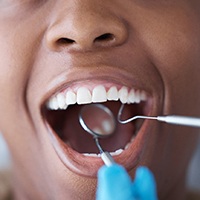
The most common treatment for periodontal disease is scaling and root planing. We’ll eliminate harmful bacteria hiding below your gumline with scaling, and will help prevent future reinfection by sealing periodontal pockets with root planing.
Patients who suffer from advanced periodontal disease experience significant relief following scaling and root planing, but they are always at an elevated risk for reinfection. Because of this, our team will take time to create a personalized follow-up maintenance plan, with the goal of preserving your oral health. This will likely include more frequent cleanings at our office.
Do I Need Scaling & Root Planing?

Although it’s an effective way to treat gum disease, scaling and root planing may not be the right answer for everyone. In its earliest stages, the problem might be more effectively managed by establishing a consistent at-home oral hygiene routine.
However, once your gum disease has progressed to a certain point then scaling and root planing may be recommended. You might require this remedy if you notice symptoms like:
- Visible plaque buildup
- Bleeding gums when you brush or floss
- Receding gumline
- Chronic bad breath
- Persistent foul taste in your mouth
- Shifting teeth
- Difficulty Chewing
The Process of Scaling & Root Planing
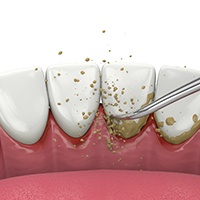
You can generally anticipate that the entire process from start to finish will take place throughout two separate appointments. The different stages are:
- Scaling: Our team will use specially designed instruments to scrape away plaque and tartar from your teeth and gumline. Then, we’ll clear away any buildup that may have penetrated below your gums in the gingival pockets.
- Root Planing: Next, we’ll smooth out the sections of your teeth that are normally hidden below your gums. This helps them reattach and discourages additional future buildup.
Aftercare Tips for Scaling & Root Planing

Many patients experience some slightly tender or bleeding gums and mild tooth sensitivity for a few days after their procedure. To prevent infection, it’s important to care for your smile correctly. Some helpful tips include:
- Rinse with warm salt water. Add ¼ teaspoon of salt into 8 oz. of warm water and stir until it’s dissolved. Then gently sip and swish it around your mouth before spitting it out. Feel free to continue rinsing until your glass is empty.
- Brush gently. To avoid irritating your sore gums, use a soft-bristled brush and circular motions to gently scrub your teeth.
- Watch what you eat. Stick to soft foods for the first 48 hours to give your mouth a break. After that, it’s a good idea to steer clear of overly hot and spicy foods, as well as acidic drinks or alcohol, that can exacerbate inflammation.
- Rest up. Try not to engage in physical activities that elevate your heart rate because this can prolong the healing process.
Pocket Depth Reduction
One of the main side effects of advanced periodontal disease is the breakdown of gum tissue, which creates deep pockets between the teeth and gums. Left unaddressed, this deterioration leads to tooth loss and other concerns. After removing damaged and infected tissue from your smile, we can perform pocket reduction therapy, which encourages healthy tissue to reattach to the jawbone. You should experience a quick, pain-free healing process, and over time, your gum tissue will regenerate.
Regeneration & Bone Grafting
Gum disease primarily affects your gums. However, in severe cases, it can spread to your jawbone. If this happens, there’s a possibility that you’ll lose jawbone mass, which is associated with several oral health issues – including shifting teeth. We can restore your jawbone mass by performing a gum graft. During the recovery process, the grafting material will fuse with your natural bone, encouraging it to regenerate.
LEARN MORE ABOUT BONE GRAFTING
Soft Tissue Grafting
For patients who experience loss of gum tissue after periodontal disease, we may need to replace the tissue in order to restore oral health. A soft tissue grafting treatment allows our team to use healthy tissue from other parts of the mouth to replace damaged gum tissue and aid in the regenerative process. It’s sort of like a bone graft, but for your gums!
Osseous Surgery
The alveolar bone provides support for teeth by surrounding the dental roots. Periodontitis can cause holes and defects to develop in the bone, weakening its structure and putting your pearly whites at risk of falling out. Osseous surgery restores the full structure by reshaping or replacing lost bone tissue. Dr. Neil Flenniken and Dr. Suzan Rismani-Flenniken are both skilled in offering osseous surgery to fully renew and complete smiles after even the most severe bone damage.