
If you’re preparing for a tooth extraction—especially wisdom tooth removal—you may have heard about a condition called dry socket. Because it’s often discussed as a possible complication, many patients worry about whether it will happen to them. While dry socket can be uncomfortable, it is relatively uncommon and usually preventable with proper aftercare.
Understanding what dry socket is and how to reduce your risk can help you feel more confident about your recovery.
What is Dry Socket?
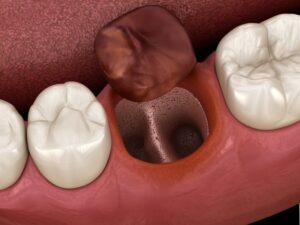
After a tooth is removed, a blood clot normally forms in the empty socket. This clot is extremely important because it protects the underlying bone and nerves while the area heals.
Dry socket occurs when that blood clot either fails to form properly or becomes dislodged too early. When this happens, the bone and nerves are exposed, which can lead to pain and delayed healing.
Although the condition can be uncomfortable, dentists can treat it effectively if it occurs.
Symptoms to Watch For
Some mild discomfort is normal after a tooth extraction, but dry socket usually causes more intense pain that begins a few days after the procedure.
Common symptoms may include:
- Severe pain at the extraction site.
- Pain that spreads to the ear, jaw, or side of the face.
- A visible empty socket where the clot should be.
- Bad breath or an unpleasant taste in the mouth.
If you notice these symptoms, it’s important to contact your dentist so they can provide treatment and relieve the discomfort.
Who Is More at Risk?
While anyone can develop dry socket, certain factors can increase the likelihood. Smoking or using tobacco products is one of the biggest risk factors because it can interfere with blood clot formation.
Other risk factors may include using straws too soon after surgery, poor oral hygiene, complicated extractions, or certain medications that affect healing.
Women taking oral contraceptives may also have a slightly higher risk due to hormonal influences.
How to Reduce Your Risk
The good news is that there are several simple steps you can take to help prevent dry socket. Following your dentist’s aftercare instructions carefully is the most important factor.
Avoid smoking, drinking through straws, or spitting forcefully during the first few days after the extraction. These actions can dislodge the protective blood clot.
It’s also important to keep the area clean by gently rinsing with a recommended solution and maintaining good oral hygiene without disturbing the extraction site.
Although dry socket is a well-known complication, most patients heal from tooth extractions without experiencing it. By following your dentist’s guidance and being mindful of your aftercare routine, you can greatly reduce your risk. If you do notice unusual pain or symptoms during recovery, contacting your dentist promptly will help ensure you receive the care needed to get back to comfortable healing.
About the Practice
Do you need to have your wisdom teeth extracted? At Flenniken Family Dentistry, our dentists have the experience and skill necessary to carry out wisdom tooth extractions, and we’ll do everything in our power to make the experience as smooth as possible. IV sedation and other sedation options are available as well to increase patient comfort, if needed. Come see what sets us apart. Book online or call (717) 249-7777.